Cancer is more treatable when caught early, and pets often show subtle warning signs first. Watch for unusual lumps, sores that do not heal, weight loss, and unexplained lethargy. None of these means cancer for certain, but each deserves a veterinary check. As an AAHA-accredited hospital, Ridgeview Animal Hospital in Surrey can help you find answers.
Cancer in pets is common, but often treatable
Cancer is one of the leading health concerns in older dogs and cats, but a diagnosis is not the automatic bad news it once was. Many cancers today can be treated, managed, or even cured, and the single biggest factor in a good outcome is catching the problem early. Because pets cannot tell us when something feels wrong, it falls to us to notice the quiet changes that can be the first clue.
Why early detection matters so much
With cancer, time genuinely matters. A lump found and addressed while it is small is often far easier to treat than one left to grow and possibly spread. Early detection can mean simpler treatment, more options, and a better quality of life. This is why knowing the warning signs, and acting on them promptly rather than waiting to see, is one of the most valuable things a pet owner can do.
The warning signs to watch for
No single sign means cancer, but any of these is a reason to have your pet checked:
- A new lump or bump, or one that is changing in size or shape
- A sore or wound that does not heal
- Unexplained weight loss
- Loss of appetite or difficulty eating or swallowing
- Unusual or persistent lethargy and loss of stamina
- Abnormal swelling that persists or keeps growing
- Bleeding or discharge from the mouth, nose, or other openings
- Offensive odour, especially from the mouth
- Difficulty breathing, urinating, or defecating
- Persistent lameness or stiffness
Many of these signs can also be caused by less serious conditions, which is reassuring, but the only way to know is to have your pet examined.
Why you cannot tell at home
It is natural to want to judge a lump or a symptom yourself, but appearance and feel are unreliable guides, and many cancers develop internally where you cannot see them at all. A symptom that seems minor can be significant, and one that seems alarming can turn out to be harmless. Rather than worrying or dismissing a change, the productive step is an exam, which can replace uncertainty with a clear answer.
How your veterinarian investigates
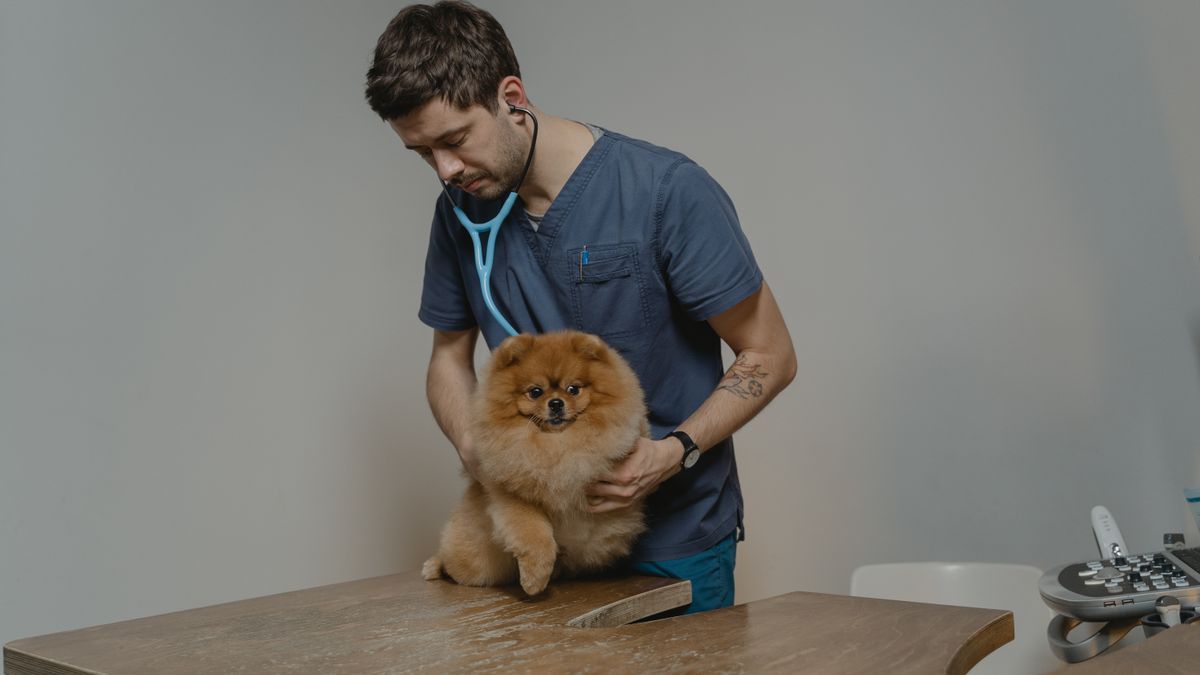
When you bring in a concern, your veterinarian starts with a thorough physical exam and your pet’s history. From there, our pet diagnostics and medical services teams may recommend bloodwork, imaging such as X-rays or ultrasound, and often a sample of cells or tissue, since looking at the cells under a microscope is usually what gives a definitive answer. These steps are designed to find out exactly what you are dealing with so the right plan can be made.
Treatment and reducing risk
If cancer is found, treatment depends entirely on the type and stage, and may include surgery, medicine, or other therapies, sometimes in combination. Our surgical services team handles many procedures, and your veterinarian will explain the realistic options and what each involves for your pet. While not all cancers are preventable, you can lower risk and catch problems early by keeping your pet at a healthy weight, avoiding tobacco smoke, and keeping regular checkups through our wellness program, where a professional eye often spots changes before you would. Ridgeview Animal Hospital is locally owned by Dr. Gunam Iyathurai, with veterinarians registered with the College of Veterinarians of British Columbia.
Frequently asked questions
Does a lump always mean cancer?
No. Many lumps are harmless, such as fatty masses or cysts, but because you cannot reliably tell by look or feel, any new or changing lump should be checked. A quick test often gives a clear answer.
At what age should I worry about cancer in my pet?
Cancer is most common in older pets, so senior pets benefit from closer monitoring and regular checkups. That said, it can occur at any age, so warning signs are worth attention regardless of how old your pet is.
Can cancer in pets be cured?
Some cancers can be cured, especially when caught early, while others are managed to keep a pet comfortable for as long as possible. The outlook depends on the type and stage, which is why early diagnosis matters.
How is cancer diagnosed in pets?
Usually through a combination of exam, bloodwork, imaging, and a sample of cells or tissue examined under a microscope. This is what confirms whether a growth or symptom is cancer and what type it is.
Is cancer treatment hard on pets?
Pets generally tolerate cancer treatment better than people expect, since the goal is quality of life. Your veterinarian tailors treatment to keep your pet comfortable and will discuss what to expect for your individual pet.
Can I do anything to lower my pet’s cancer risk?
You can keep your pet at a healthy weight, avoid exposure to tobacco smoke, and keep up regular checkups so problems are caught early. Spaying or neutering also reduces certain cancers; ask your veterinarian.
Should I check my pet for lumps at home?
Yes. Gently running your hands over your pet during grooming or cuddles helps you find new lumps early, and mentioning anything new at checkups gives your veterinarian a head start. Early discovery often means more treatment options.
Noticed a new lump or a change in your pet? Have it checked by the team at Ridgeview Animal Hospital for clear answers and peace of mind.